

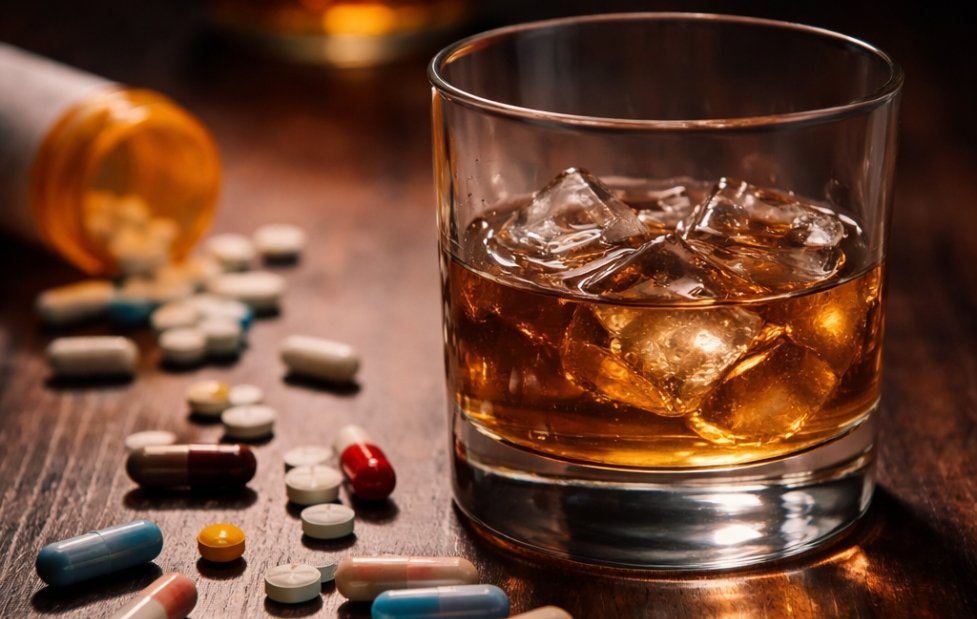
Alcohol is widely consumed and socially accepted, but when combined with certain medications, it can become extremely harmful. Liver specialists warn that mixing alcohol with prescription or over-the-counter drugs can trigger serious complications, including liver failure, internal bleeding, heart rhythm problems, and dangerous drops in blood pressure. Many people underestimate this risk, assuming occasional drinking is safe yet medical evidence suggests otherwise.
Why Alcohol and Medicines Don’t Mix
The liver is responsible for breaking down both alcohol and most medications. When consumed together, alcohol interferes with drug metabolism, causing either toxic buildup or reduced effectiveness. This overload forces the liver to work harder, increasing inflammation and long-term damage.
Repeated interactions even with moderate drinking can gradually lead to fatty liver disease, hepatitis, or cirrhosis without early warning signs.
Painkillers: A Silent Cause of Liver Failure
One of the most dangerous combinations involves paracetamol (acetaminophen). Liver doctors caution that alcohol dramatically increases toxic byproducts formed during its metabolism.
Even recommended doses can become deadly when combined with alcohol, making this pairing one of the leading causes of acute liver failure worldwide.
Antibiotics and Anti-TB Drugs Raise Serious Risks
Several antibiotics and tuberculosis medications including rifampicin, isoniazid, metronidazole, and antifungal drugs should never be taken with alcohol.
Doctors explain that alcohol intensifies liver toxicity and can cause severe reactions such as vomiting, flushing, chest discomfort, dizziness, and dangerously low blood pressure. In some cases, symptoms resemble alcohol poisoning even after small amounts of liquor.
Cholesterol Medicines and Alcohol: A Risky Mix
Statins, commonly prescribed for high cholesterol, already place mild stress on the liver. Alcohol increases this burden and may lead to elevated liver enzymes or muscle breakdown.
Regular drinking while on statins raises the likelihood of liver injury often without symptoms making routine monitoring essential.
Blood Thinners Can Cause Internal Bleeding
Alcohol interferes directly with blood clotting. When combined with warfarin or newer anticoagulants, it can unpredictably increase bleeding risk.
Liver specialists warn that this combination may cause stomach bleeding, brain hemorrhage, or severe bruising even in people who drink occasionally.
Sleeping Pills and Psychiatric Drugs Increase Overdose Risk
Mixing alcohol with sleep medications, anti-anxiety drugs, antidepressants, or antipsychotics is particularly dangerous.
Both alcohol and these medicines suppress the central nervous system. Together, they can slow breathing, impair coordination, and increase the risk of accidental overdose, falls, and respiratory failure.
Diabetes Medicines Can Trigger Dangerous Sugar Drops
Alcohol can cause sudden hypoglycemia in people taking insulin, sulfonylureas, or metformin.
Symptoms such as confusion, sweating, dizziness, and fainting are often mistaken for intoxication, delaying urgent medical care.
Herbal Supplements and Cough Syrups Aren’t Always Safe
Many herbal products and cough syrups contain liver-affecting compounds or alcohol itself. Combining them with drinks further increases toxicity.
Doctors stress that “natural” does not always mean harmless, especially when the liver is already processing alcohol.
Why Even Occasional Drinking Can Be Harmful
Liver specialists emphasize that danger isn’t limited to heavy drinkers. Age, obesity, fatty liver, long-term medication use, and underlying medical conditions significantly increase risk even with small amounts of alcohol.
Damage often occurs silently, without pain or immediate symptoms.
What Doctors Recommend
Medical experts advise:
- Always read medication labels carefully
- Ask doctors directly about alcohol interactions
- Avoid alcohol completely during antibiotic or long-term treatment
- Never assume “one drink is safe” without confirmation
- If a medicine label says “avoid alcohol,” it should be taken seriously, not treated as optional guidance.
Alcohol becomes dangerous not only because of how much is consumed but because of what it’s consumed with. Mixing alcohol with certain medicines can transform routine treatment into a medical emergency. Liver specialists emphasize that awareness is the strongest protection. Understanding these interactions can prevent irreversible damage and in some cases, save lives.
Read more Internet Gaming Disorder is affecting a significant portion of young adults
2.jpg)
2.jpg)
3.jpg)
3.jpg)
1.jpg)
.jpg)
1.jpg)
.jpg)
2.jpg)
2.jpg)