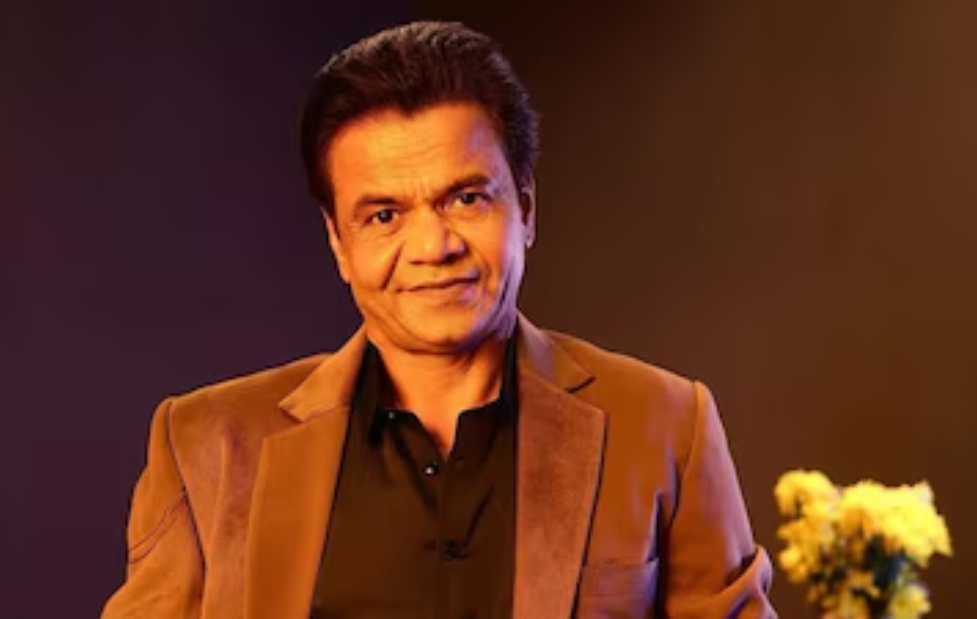
Comedian Kapil Sharmas popular Netflix series The Great Indian Kapil Show has landed in legal trouble after a music licensing body filed a copyright infringement suit in the Bombay High Court. The case alleges that the show used several well known Bollywood songs without obtaining the required permissions, raising serious questions about copyright compliance in digital entertainment productions.
The lawsuit filed in December claims that three songs were used during the third season of the show without proper authorisation from the rights holders. The songs mentioned include M Bole To from Munna Bhai MBBS Rama Re from Kaante and Subha Hone Na De from Desi Boyz. These tracks are said to have been played audibly during live recordings in front of an audience and later streamed as part of the episodes on Netflix. The music body argues that such usage amounts to public performance and communication to the public which requires a valid licence.
As per the Indian Copyright Act 1957 any public performance or broadcast of copyrighted music must be cleared with the rights owner. The licensing body claims that no permission was granted for the songs in question making the usage unauthorised. It further states that a cease and desist notice was issued to the shows producers in early November but received only a vague holding response with no corrective action taken.
For Netflix and the production houses associated with The Great Indian Kapil Show including K9 Films and BeingU Studios the lawsuit presents a significant legal challenge. While the show has been widely appreciated for its humour celebrity interactions and mass appeal the case highlights the increasing importance of rights management in content creation especially on OTT platforms.
Industry experts note that copyright enforcement in India has become more stringent in recent years. With the rapid growth of streaming services rights holders are closely monitoring how their content is used. Licensing agencies play a crucial role in ensuring that artists composers and music producers receive fair compensation for their work.
The Bombay High Court is yet to schedule a hearing in the matter. The plaintiffs have reportedly sought directions to stop further unauthorised use of the songs disclosure of revenues earned from the alleged infringement and possible seizure of infringing material. Legal experts believe the verdict could have wider implications for the entertainment industry and may prompt stricter compliance norms for music usage across digital platforms.
For Kapil Sharma and his team the outcome of the case could influence not just future seasons of the show but also set a precedent for how comedy and variety shows approach copyrighted content in an increasingly regulated media environment.
Read more Dhurandhar Spy Thriller Nears 190 Rs Crore After Week



.png)