

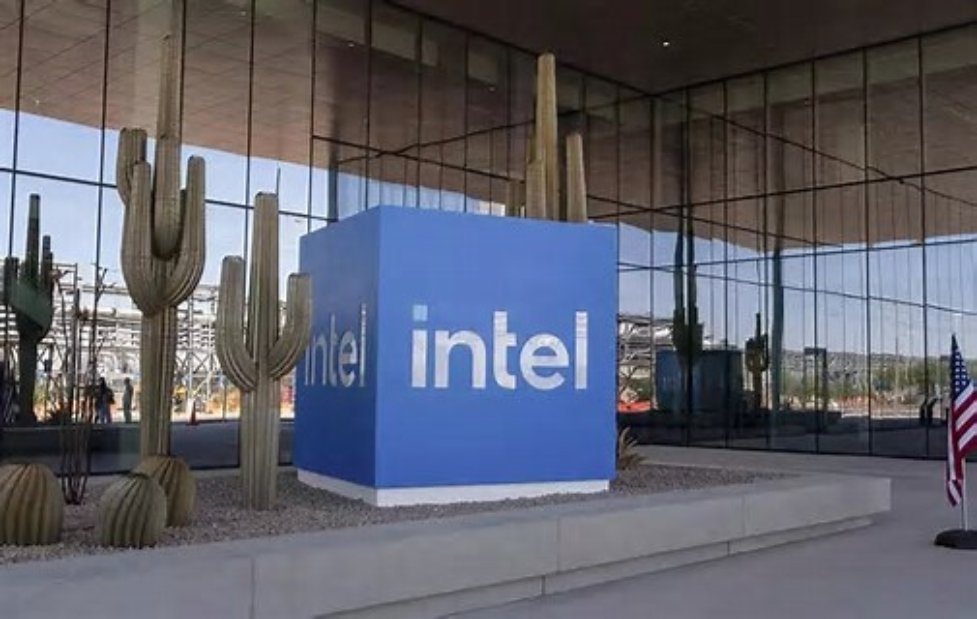
Global semiconductor giant Intel Corporation now with the United States government as its largest shareholder has announced a new corporate commitment linked to a high-profile federal program, marking a rare instance of direct public-private alignment in the tech sector.
Under the Trump administration’s 530A “Trump Accounts” initiative, Intel has pledged to match the US government’s $1,000 contribution toward savings accounts for the children of its US-based employees. This move reflects Intel’s willingness to support social welfare goals backed by federal policy and comes at a time when the federal government holds a significant stake in the company’s equity.
The US government became Intel’s top shareholder after a historic agreement in August 2025 that saw the administration convert billions in previously awarded grants into equity, giving Washington a roughly 10 percent ownership share under the CHIPS and Science Act framework.
What the Government Stake Means for Intel
- The US government now owns a major equity stake in Intel, making it the largest shareholder.
- The stake was created by converting about $8.9 billion in federal grants into shares, part of the government’s effort to boost domestic chip manufacturing.
- Government ownership is passive, with no board seats or direct managerial control, but aligns Intel closely with national tech policy goals.
- A five-year warrant could allow the government to acquire additional shares if Intel’s foundry ownership dips below a threshold.
Intel’s Promise Under the 530A ‘Trump Accounts’ Programme
According to the company announcement, Intel will match each eligible employee’s $1,000 government contribution for their children under the 530A program—broadly promoted as a means to improve long-term financial security for American families. The initiative, backed by the Trump administration, carries a strong social component as part of broader policy objectives.
This corporate pledge has been interpreted as more than a benefits enhancement it also signals a deeper alignment between Intel’s business decisions and federal policy priorities, following the government’s unprecedented ownership position.
Broader Context: Government Involvement in Strategic Industries
The US government’s stake in Intel represents a shift toward more active engagement in key technology sectors, a trend that has drawn both praise and criticism from analysts and political observers:
- Supporters argue government backing strengthens domestic manufacturing and helps maintain global competitiveness.
- Critics raise concerns about state influence on private enterprise, citing potential complications in international markets and investor sentiment.
This dynamic reflects an ongoing debate about the role of government in strategic industries such as semiconductors a sector central to everything from consumer electronics to national security.
What This Means for Intel and the Tech Industry
Intel’s dual role as a private company and one with significant federal ownership may shape how it navigates future opportunities and responsibilities:
- It may gain preferential access to government contracts or policy collaboration.
- Regulatory and diplomatic implications could arise as other nations view the stake through geopolitical lenses.
- Investor confidence and global partnerships may be influenced by perceptions of state involvement.
Intel’s decision to support the Trump Accounts initiative while the US government serves as its largest shareholder highlights a unique intersection of corporate strategy and public policy. What began as an unprecedented federal investment in a private tech giant is now extending into workforce and family support programs, illustrating how intertwined national interests and corporate actions have become in a highly strategic industry.
Read more Budget 2026 Income Tax Relief and New Regime Focus

.jpg)



2.jpg)
2.jpg)
2.jpg)
1.png)
2.jpg)