.png)
Pakistan’s Defence Minister Khawaja Asif has sparked fresh controversy by stating that the United States treated Pakistan as disposable during years of strategic cooperation, describing the relationship as one where Islamabad was “used and discarded.”
The remarks come amid renewed debate over the history and future of US–Pakistan ties.
A Sharp Diplomatic Critique
Asif’s comments reflect long-standing grievances within Pakistan’s political establishment regarding Washington’s shifting priorities. He suggested that Pakistan played a frontline role in regional conflicts and counterterrorism efforts, only to face strained ties once US strategic interests evolved.
The statement underscores frustration over what some Pakistani leaders view as a transactional partnership.
History of a Complicated Alliance
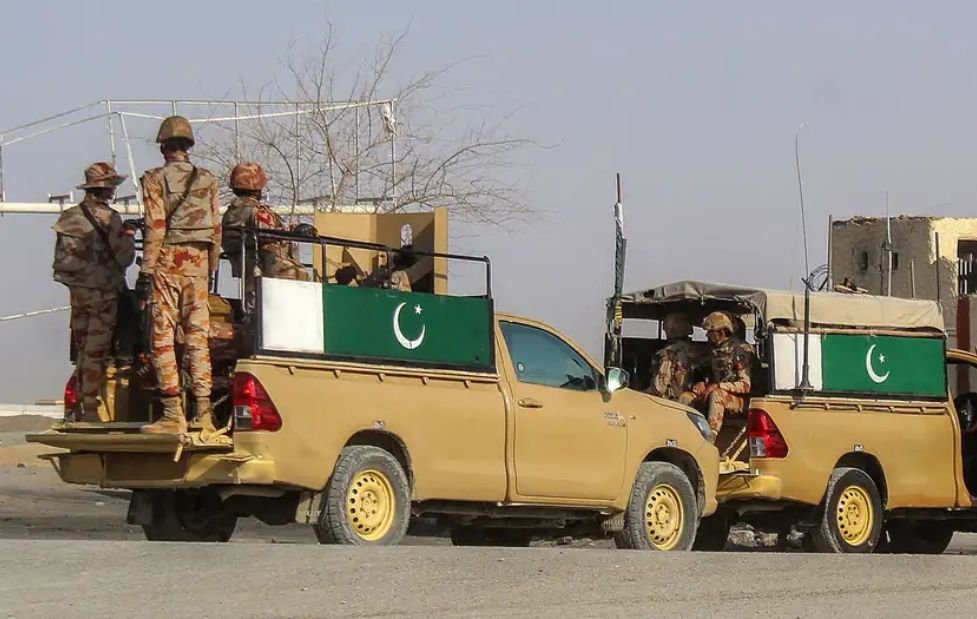
Relations between Pakistan and the United States have fluctuated over decades, particularly during the Cold War and the post-9/11 war on terror. Pakistan was considered a key ally in counterterrorism operations, receiving military and financial assistance.
However, mistrust and policy disagreements have repeatedly tested the partnership.
Strategic Shifts and Fallout
The US withdrawal from Afghanistan and changing geopolitical priorities have altered regional dynamics. Analysts say these developments have contributed to Islamabad’s perception that its strategic importance diminished once Washington’s objectives were met.
Such sentiments have fueled political rhetoric within Pakistan about sovereignty and independent foreign policy choices.
Diplomatic and Political Reactions
While US officials have not formally responded to Asif’s specific phrasing, diplomatic observers note that both countries continue to maintain working-level cooperation on security and economic matters.
Political analysts believe such remarks may resonate domestically, particularly amid discussions about Pakistan’s global positioning.
The Bottom Line
Khawaja Asif’s blunt assessment of US–Pakistan relations highlights enduring tensions rooted in decades of complex cooperation. As both nations navigate evolving geopolitical realities, the future of their partnership remains shaped by strategic interests—and lingering mistrust.