1.jpg)
Israel’s Warning: Possible Unilateral Action
Israeli defense leaders have told the United States that they could launch military strikes on Iran’s ballistic missile program if Tehran crosses what Jerusalem describes as a “red line” in the development of its missile arsenal. Officials say Israel reserves the right to act without U.S. involvement if it believes its national security is at risk.
What Israel Sees as a Threat
Iran possesses a significant arsenal of ballistic missiles, including short-, medium-, and long-range systems capable of reaching deep into the Middle East. Jerusalem argues that unchecked growth of these capabilities could threaten not only Israel’s territory but also regional stability.
Not There Yet But Planning Continues
While officials say Iran has not yet crossed the so-called red line, Israel is reportedly continuously monitoring missile development and preparing plans for strikes designed to degrade Iran’s strategic weapon systems.
Coordination With the U.S.
Despite the possibility of unilateral action, Israel has been sharing its assessments and operational concepts with U.S. counterparts. This includes intelligence briefings and strategic discussions ahead of planned diplomatic engagements in Washington.
U.S. Diplomatic Talks With Iran
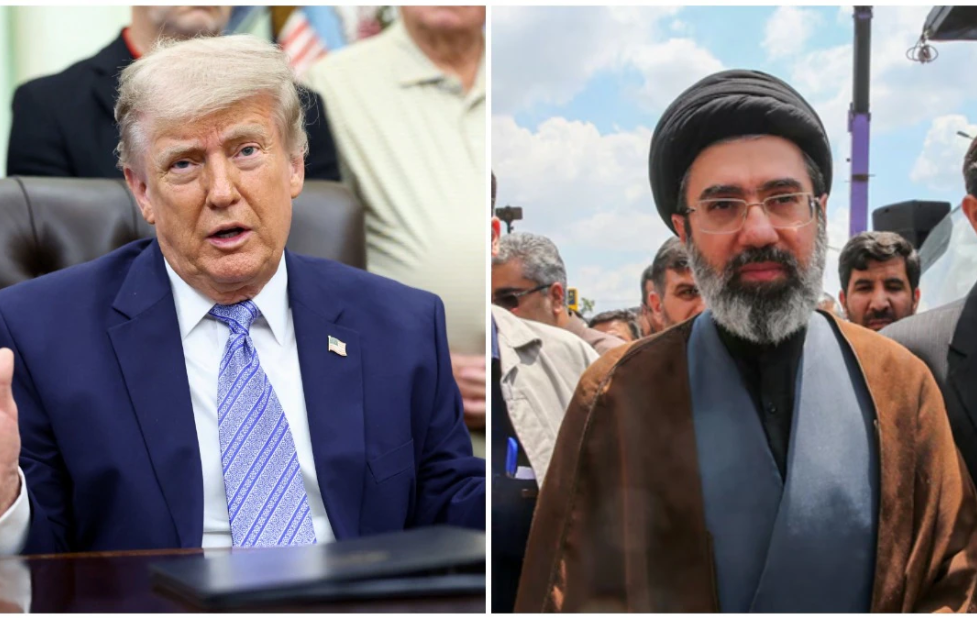
U.S. envoys are currently engaged in talks with Iran aimed at addressing nuclear and missile issues. Israeli Prime Minister Benjamin Netanyahu is set to meet with U.S. President Donald Trump to press Jerusalem’s position that any deal must curb Tehran’s missile program and regional influence.
Iran’s Response and Warnings
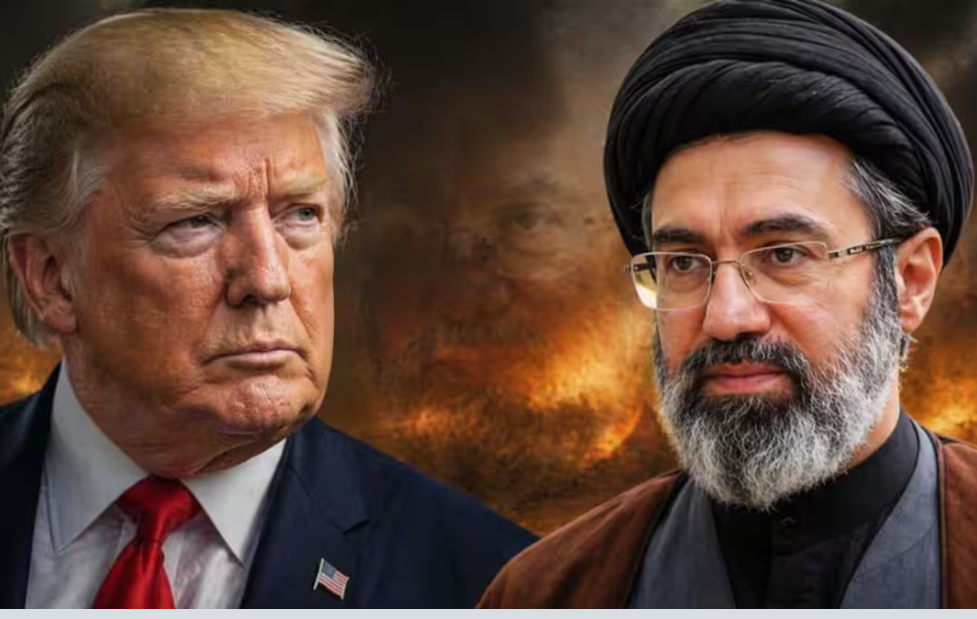
Iran’s leadership has warned it could take preemptive measures if it perceives an imminent attack. The nation’s defense council has emphasized readiness to act before strikes occur—raising the specter of escalating tensions.
Military Posture in the Region
Meanwhile, Tehran is reportedly signaling preparedness for conflict, even as diplomatic channels remain open. Increased U.S. military presence in the Gulf underscores the gravity of the standoff.
The Question of Timing
The top question among policymakers and analysts remains not whether an attack might happen, but when. Israel’s leadership has stressed the timing would depend on Iran’s continued missile advancements and any perceived failure of diplomacy to halt them.
Regional and Global Implications
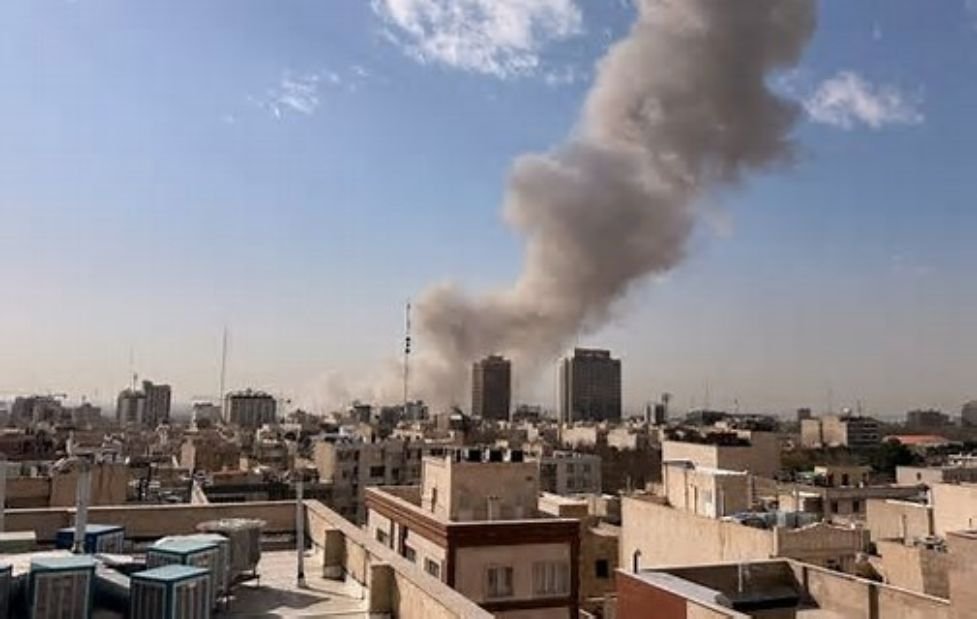
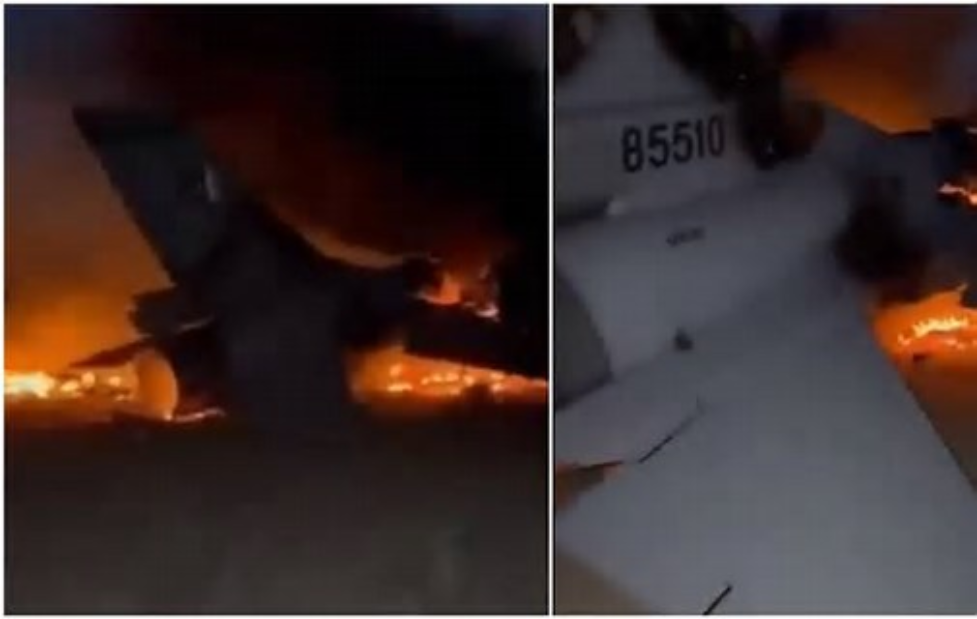
A unilateral strike would mark a major escalation in Middle East hostilities, with potential ripple effects across regional alliances, global oil markets, and international security dynamics.
What Comes Next
Observers say the coming weeks could be decisive as diplomatic efforts, military planning, and geopolitical pressures converge in a complex effort to prevent full-scale conflict.
The Bottom Line
Israeli officials continue to publicly warn that they are ready to act alone against Iran’s ballistic missile infrastructure if necessary. While this remains a conditional threat rather than an imminent order, the combination of diplomatic impasses and mounting military preparations keeps the specter of conflict alive.