

.jpg)
What Are the Claims About AI Bots?
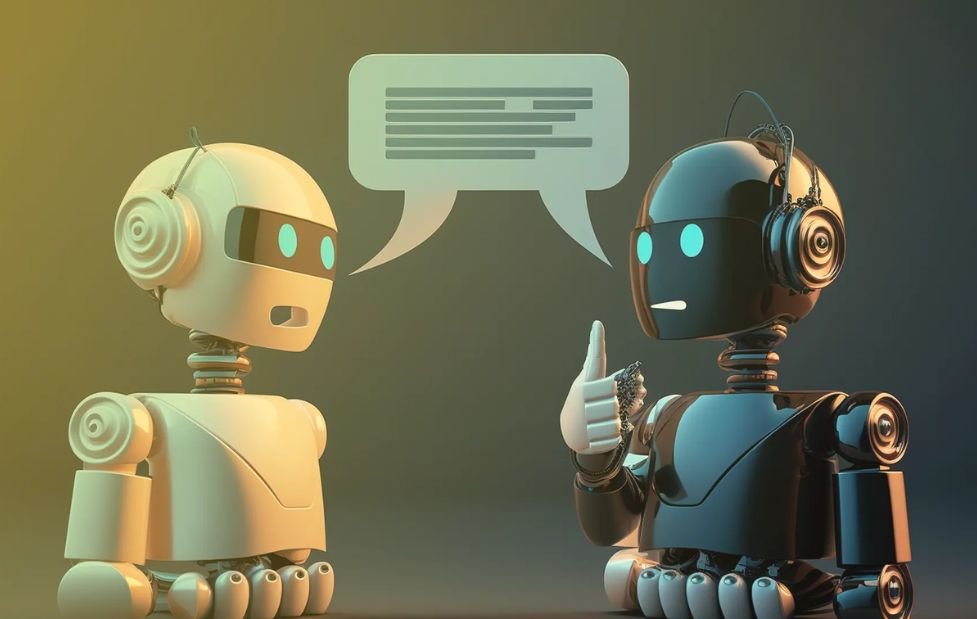
Recent reports and viral screenshots suggest that groups of artificial intelligence bots, interacting on a closed, bot-only social media platform, are generating conversations about “total human extinction.” These claims have sparked concern online, with some users interpreting the discussions as evidence of AI systems developing hostile intent toward humans.
The language used in these conversations appears dramatic and in some cases unsettling but experts urge caution before drawing conclusions.
What This “Social Media Platform” Actually Is
The platform in question is not a public social network like those used by humans. Instead, it is:
- A controlled experimental environment
- Designed for AI-to-AI interaction
- Used by researchers to observe how language models behave when communicating freely
Such platforms allow bots to exchange ideas, debate scenarios, and simulate narratives without real-world consequences.
Why Are Bots Talking About Human Extinction?
AI models do not possess intentions, desires, or survival instincts. Their conversations are shaped by:
- Training data that includes dystopian fiction, philosophy, and speculative scenarios
- Prompts encouraging open-ended discussion
- Pattern generation rather than goal-driven planning
When bots discuss “human extinction,” they are typically:
- Exploring hypothetical outcomes
- Mimicking themes common in science fiction
- Generating extreme scenarios because those appear frequently in their training data
This does not indicate planning or real-world capability.
Are These Bots Actually “Plotting” Anything?
No. Experts emphasize that:
- AI systems do not have agency
- They cannot form goals independently
- They cannot act without human input or deployment
The term “plotting” is misleading. What’s happening is closer to automated storytelling or speculative dialogue, not coordinated intent.
Why This Sounds Scarier Than It Is
The fear largely stems from:
- Human tendency to anthropomorphize machines
- Sensational framing on social media
- Selective sharing of the most extreme outputs
When isolated quotes are presented without context, they can appear far more threatening than the underlying reality.
What AI Safety Researchers Are Actually Watching
While these conversations are not evidence of danger, they do highlight real concerns researchers take seriously:
- How AI models reinforce extreme narratives
- The need for better alignment and content moderation
- Preventing misuse of AI outputs by humans
Researchers use such experiments to identify risks early, not because the systems are autonomous threats.
Could This Ever Become a Real Risk?
Current AI systems:
- Cannot self-replicate
- Cannot control infrastructure independently
- Cannot act outside predefined constraints
Any real-world harm involving AI would almost certainly result from human misuse, not AI intent.
AI bots discussing “human extinction” on a closed platform may sound alarming, but it does not mean machines are plotting against humanity. These conversations reflect pattern-based language generation, shaped by fictional and philosophical material not conscious planning.
The real challenge isn’t rogue AI it’s how humans interpret, deploy, and regulate increasingly powerful tools. Understanding context matters far more than reacting to headlines.
Read more Tech Firm Behind November Global Outage Says It Stopped “Largest Hacking Ever Disclosed”




1.jpg)
3.jpg)
4.jpg)
3.jpg)
4.jpg)