

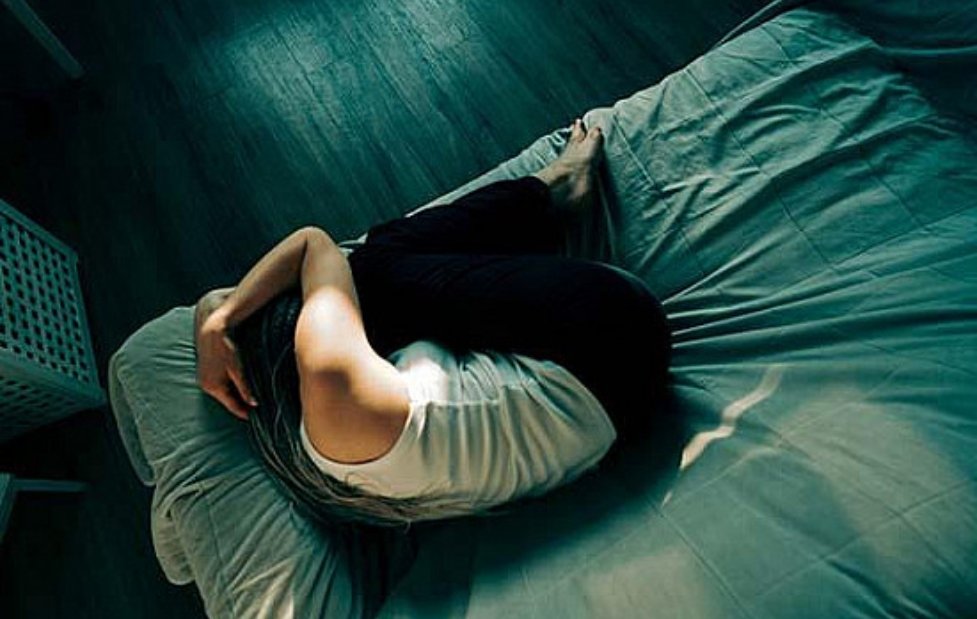
Many people blame lack of exercise or heavy workloads for constant fatigue and poor sleep. However, an Apollo Hospitals doctor has pointed to a less-discussed daily habit as the real reason behind rising complaints of low energy, disturbed sleep, and mental exhaustion among young adults and working professionals.
According to the specialist, patients frequently report feeling tired despite sleeping for long hours. On closer evaluation, the issue is often not medical but behavioral. Irregular routines, excessive screen exposure, and minimal physical movement during the day are silently disrupting the body’s natural rhythm.
The doctor explained that the human body functions best when it follows a predictable cycle of activity and rest. When this rhythm is disturbed, even healthy individuals begin to experience insomnia, anxiety, and daytime fatigue.
What the Doctor Identified as the Real Culprit
- Excessive screen time before bedtime, especially mobile phone usage
- Irregular sleep schedules, including late-night scrolling
- Low daylight exposure, affecting melatonin production
- Minimal physical movement during working hours
- Mental overstimulation close to sleeping time
Why This Affects Sleep and Energy
The doctor noted that exposure to blue light from screens suppresses melatonin — the hormone responsible for sleep. At the same time, reduced physical activity lowers sleep pressure, making it harder for the body to feel naturally tired at night.
Over time, this leads to a cycle where individuals sleep late, wake up exhausted, skip exercise, and rely on caffeine — further worsening sleep quality.
The ‘Simple Medicine’ Prescribed
Instead of medication, the Apollo doctor recommended small lifestyle corrections that can reset the body clock naturally.
- Avoid screens at least 60 minutes before bedtime
- Maintain a fixed sleep and wake time, even on weekends
- Get 15–20 minutes of morning sunlight daily
- Include light physical movement, such as walking
- Keep bedrooms dark, cool, and quiet
The doctor emphasized that these habits are often more effective than sleeping pills when followed consistently.
A Growing Lifestyle Concern
With work-from-home culture, extended device usage, and irregular eating patterns, sleep-related complaints have surged in recent years. Health experts warn that ignoring these signs may eventually impact immunity, concentration, heart health, and emotional well-being.
The doctor concluded that restoring basic daily discipline rather than drastic lifestyle changes is the key to better sleep and sustained energy.
2.jpg)
2.jpg)
3.jpg)
3.jpg)
1.jpg)
.jpg)
1.jpg)
.jpg)
2.jpg)
2.jpg)