

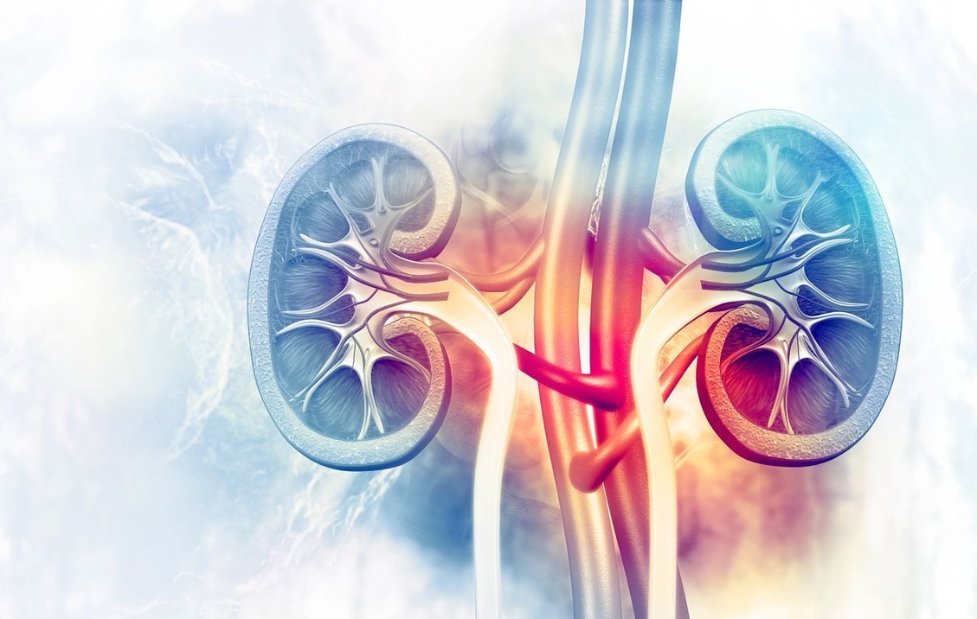
Chronic kidney disease (CKD) has long been associated with a dramatically higher risk of heart failure, but scientists have struggled to explain exactly why heart-related deaths are so common among kidney patients. Now, new research offers a striking answer: damaged kidneys actively release harmful biological particles that directly poison the heart.
The hidden messengers in the bloodstream
Researchers have discovered that diseased kidneys produce and release microscopic particles known as extracellular vesicles into the bloodstream. Unlike normal cellular waste, these particles carry genetic material, including microRNAs, that can interfere with the normal functioning of heart cells. Crucially, these toxic vesicles are produced only when the kidneys are damaged, making them a unique marker of kidney-related cardiovascular risk.
Once released, the particles travel through the bloodstream and are absorbed by heart tissue, where they disrupt essential cellular processes. Over time, this interference weakens heart muscle function and increases the likelihood of cardiac enlargement, arrhythmias, and heart failure.
Why kidney patients face extreme heart risks
People with chronic kidney disease already experience high blood pressure, fluid imbalance, and inflammation—factors known to strain the heart. This new discovery shows that CKD does more than create indirect stress. It reveals that the kidneys themselves become an active source of heart-damaging signals, accelerating cardiovascular decline even in patients without prior heart disease.
This explains why traditional heart treatments often fall short in CKD patients. Even when cholesterol and blood pressure are controlled, the toxic signals from failing kidneys may continue to silently damage the heart.
A breakthrough for future treatments
The findings open the door to entirely new treatment strategies. Scientists believe that blocking the release of these harmful particles—or preventing them from entering heart cells—could dramatically reduce heart-related deaths in kidney patients. Researchers are also exploring whether these particles could serve as early warning biomarkers, allowing doctors to identify high-risk patients sooner.
In the future, therapies may focus not only on supporting kidney function but also on interrupting the kidney–heart communication pathway before irreversible damage occurs.
A new understanding of organ failure
This research reshapes how doctors understand chronic disease. Rather than failing in isolation, organs like the kidneys can actively harm other vital systems. The kidney–heart connection highlights the importance of integrated treatment approaches and early intervention.
As chronic kidney disease continues to rise globally, this discovery offers hope that targeted therapies could save countless lives by breaking one of the deadliest links in modern medicine.
2.jpg)
2.jpg)
3.jpg)
3.jpg)
1.jpg)
.jpg)
1.jpg)
.jpg)
2.jpg)
2.jpg)